FORUM OF
FEDERATIONS
LEARN MORE
PROGRAMS THEMATIC LEARN MORE PROGRAMS COUNTRY LEARN MORE
What is Federalism?

In federal countries, power is shared between a government for the whole country – which is sometimes called federal government, national government or Union government – and governments for federal units within this country. Federal units are also often called provinces, states or cantons. Federalism means the constitution divides power between at least two levels or orders of government.Both orders have a direct electoral relationship with their citizens. In some federal countries, people also elect their local government, which may also be constitutionally recognized.

The federal government is responsible for common purposes for the whole country such as national defence, currency and foreign relations. The states or provinces are empowered to act within their areas of responsibility as it is described in the constitution. The federal government cannot arbitrarily take away the power of the federal units.

Watch this Forum of Federations animated video called, “What is Federalism?” to get a basic understanding of Federalism.

Click the blue button below to learn more about Federalism including which countries are federal and benefits of federalism

Forum of Federations Resource Library
Publications icon

Publications

ForumFedCast logo

Podcast

Blog icon

Blog

Video Library icon

Video Library

Courses

Forum of Federations Programs
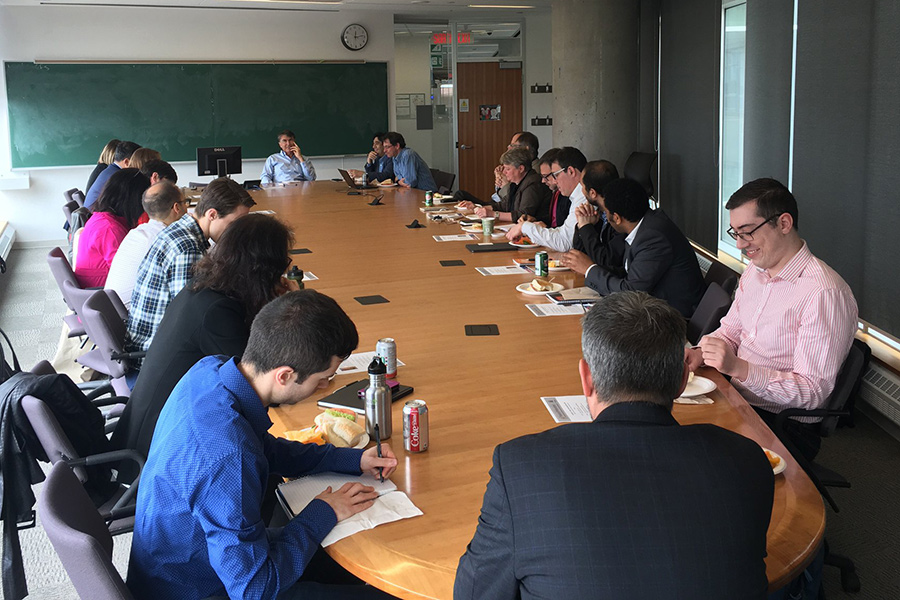
Group of people discussing around round table

Thematic Programs

Thematic Programs concern the development and mobilization of knowledge on federal and multilevel governance systems.

Woman writing

Country/Regional Programs

Country/Regional Programs are demand-led initiatives which respond to the needs of stakeholders and donors concerning the creation, development, and reform of governance systems in emerging federal and multilevel countries.

Forum News
𝗘𝗾𝘂𝗮𝗹 𝗳𝘂𝗻𝗱𝗶𝗻𝗴 𝗶𝘀 𝗻𝗼𝘁 𝗮𝗹𝘄𝗮𝘆𝘀 𝗳𝗮𝗶𝗿 𝗳𝘂𝗻𝗱𝗶𝗻𝗴.𝗔 𝗳𝘂𝗻𝗱𝗶𝗻𝗴 𝗳𝗼𝗿𝗺𝘂𝗹𝗮 𝗰𝗮𝗻 𝗹𝗼𝗼𝗸 𝗳𝗮𝗶𝗿 𝗼𝗻 𝗽𝗮𝗽𝗲𝗿—𝗮𝗻𝗱 𝘀𝘁𝗶𝗹𝗹 𝗺𝗶𝘀𝘀 𝘄𝗵𝗮𝘁 𝗰𝗼𝗺𝗺𝘂𝗻𝗶𝘁𝗶𝗲𝘀 𝗻𝗲𝗲𝗱.A health clinic in a remote community can cost far more to run than one in a provincial centre. That is why intergovernmental fiscal institutions matter. Their advice shapes how public money is shared between levels of government.The scale is substantial:• Kenya: KSh 428 billion to 47 counties (FY 2026/27)• Pakistan: ~PKR 8.85 trillion to four provinces (FY 2026/27)• Philippines: ₱1.19 trillion to 43,000+ local governments (FY 2026)In Manila on 28–29 September, the Forum of Federations convened the first Intergovernmental Fiscal Institutions Network (IGFIN) gathering.Two insights stood out:🔹 Papua New Guinea’s fiscal commission starts with what a service should cost to deliver, not what was spent last year.🔹 Anwar Shah showed that stabilization funds only cushion revenue shocks when backed by clear rules, transparency and oversight.IGFIN will become an annual exchange and a standing platform for peer learning, with a secretariat at the Forum. Success means institutions better able to influence decisions, and funding that follows community needs.With the support of the The World Bank Group and the Philippines Department of Budget and Management.Forum of Federations: making multilevel governance work better for people. ...
View on Facebook (opens in a new tab)
We are pleased to welcome Alan Cairns as a Non-Resident Fellow at the Forum of Federations! Alan brings extensive international experience in institutional design, intergovernmental fiscal relations, and public finance, with a particular focus on fiscal decentralisation and health financing across the Asia-Pacific region. His work in Papua New Guinea and Bougainville, alongside his contributions to international institutions, reflects his commitment to strengthening governance, promoting integrity, and improving public sector performance. We look forward to drawing on his expertise and collaborating to advance knowledge-sharing and international cooperation on federalism and intergovernmental relations. ...
View on Facebook (opens in a new tab)
What is Federalism?
Popular Pages
The Future of Federalism

Click here to experience this special Forum event

Social Media